Food Security
As of early 2026, an estimated 6.5 million people in Somalia nearly half the population are facing high levels of acute food insecurity, with more than 2 million in Emergency-level need, according to the UN’s Integrated Food Security Phase Classification (IPC). Close to 1.9 million children under five are projected to suffer acute malnutrition this year alone. Hunger at this scale doesn’t just cost lives in the moment it stunts children’s physical and cognitive development for life, and forces families to sell off the few productive assets, like livestock or land, they’d need to recover. Our food security programs respond to acute need while helping households move toward more resilient forms of support.
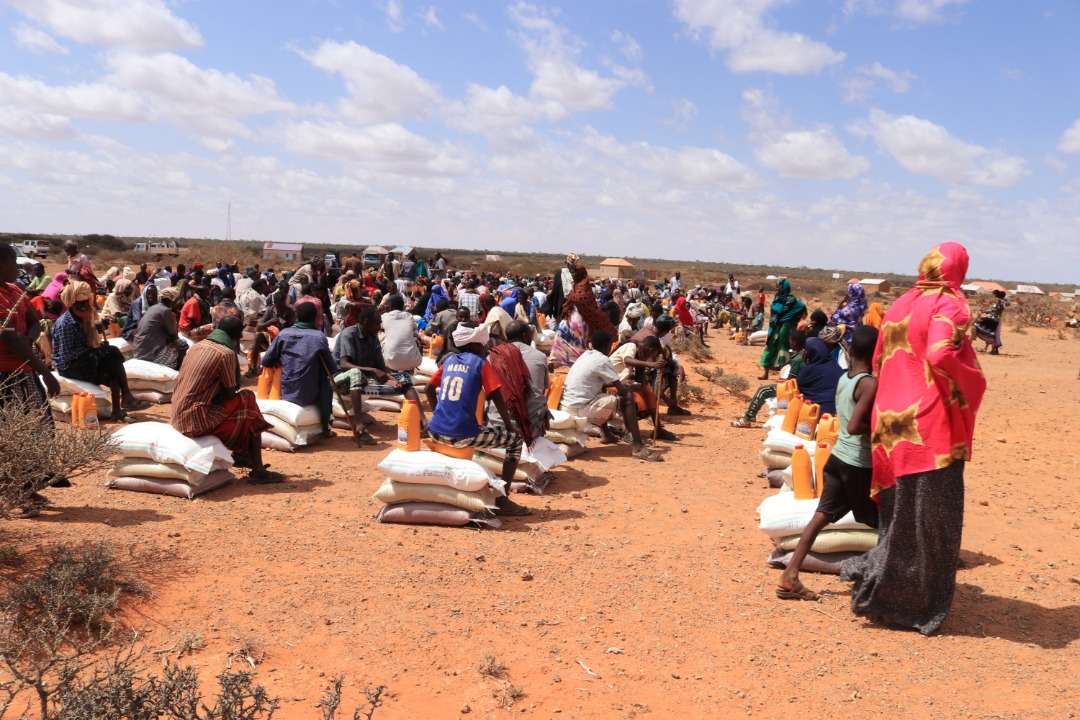
Food insecurity in Somalia is rarely a single event — it moves in cycles of drought, conflict, and displacement that push households from coping to crisis and back, often more than once. Emergency response and the tools to move a household out of crisis need to work side by side, not in sequence.
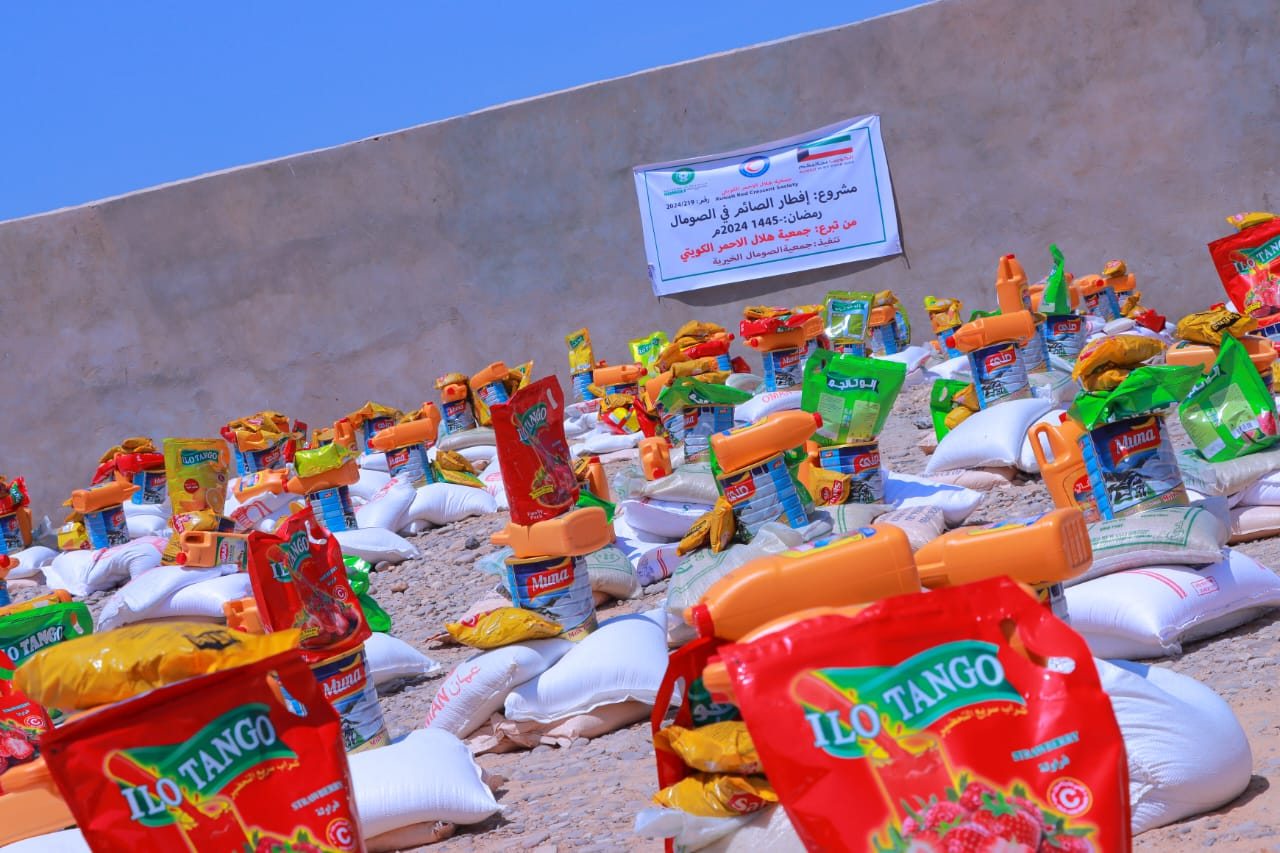
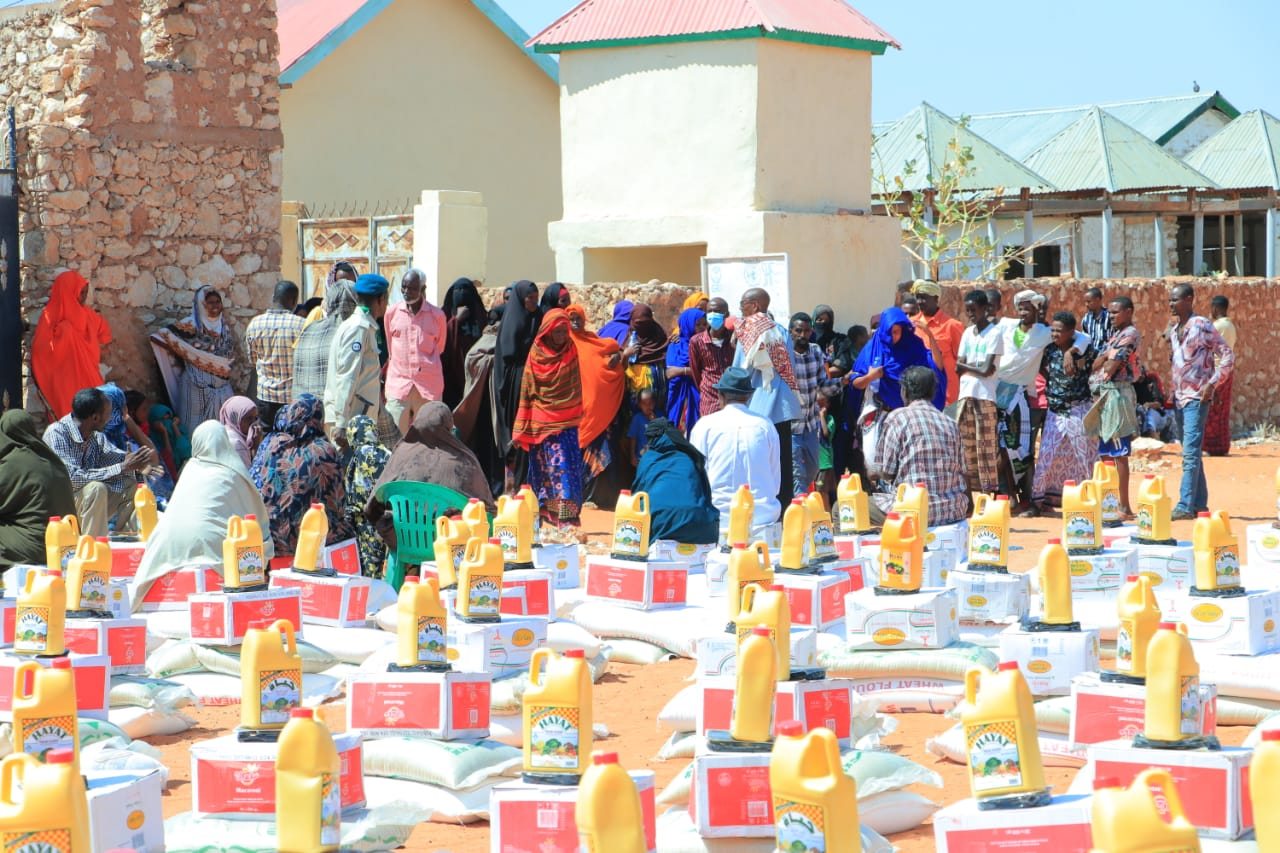
We pair direct food distribution for acute need with cash and voucher assistance where local markets are functioning, giving households the flexibility to meet needs a food basket alone can’t. We prioritize the most vulnerable households — female-headed, displaced, and those with young children — and use food assistance as an entry point to the nutrition and livelihoods support that address the underlying causes of hunger, not just its symptoms.